Trusted shipping
Easy returns
Secure shopping



Buy Architecture and Dystopia - by Dario Donetti (Paperback) in United States - Cartnear.com
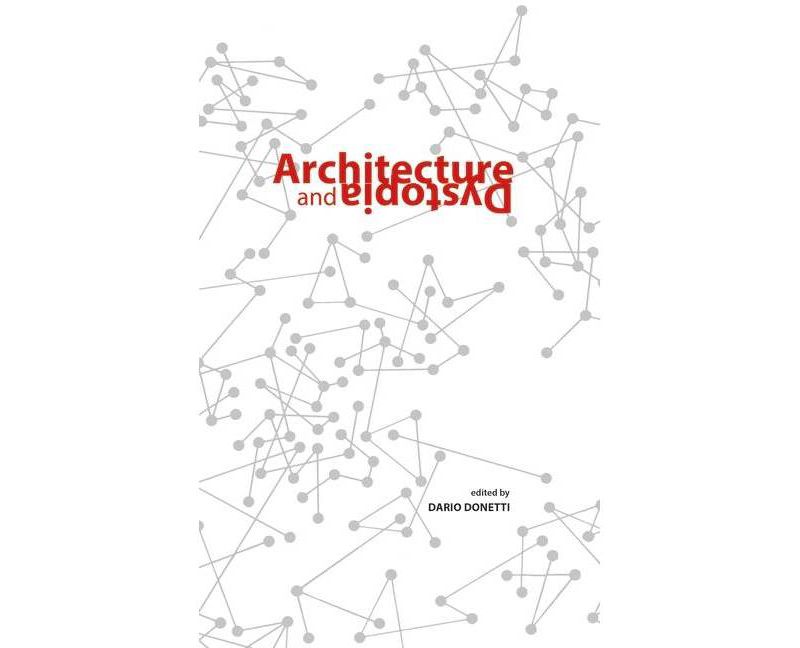
Architecture and Dystopia - by Dario Donetti (Paperback)
CTNR602389 09781945150944 CTNR602389Northlight
2027-09-22
/itm/architecture-and-dystopia-by-dario-donetti-paperback-602389
USD
37.68
$ 37 $ 38 2% Off
Item Added to Cart
customer
*Product availability is subject to suppliers inventory

SHIPPING ALL OVER UNITED STATES

100% MONEY BACK GUARANTEE

EASY 30 DAYSRETURNS & REFUNDS

24/7 CUSTOMER SUPPORT

TRUSTED AND SAFE WEBSITE

100% SECURE CHECKOUT
Number of Pages: 296
Genre: Architecture
Sub-Genre: Methods & Materials
Format: Paperback
Publisher: Actar
Age Range: Adult
Author: Dario Donetti
Language: English
As a response to the profound crisis of Western culture the emerged in the 1960s, radical artists from Italy, Austria, England and Japan called into question the foundations of modernist utopias. They transmuted the difficulties of capitalism into a repertory of startling images that revealed the disturbing realities of consumer society, even in those places still resistant to the penetration of modern architecture, such as Superstudio and Archizoom's Florence. Their model, though exhausted in the space of experimentation, went on to inspire a generation of architects, from the High Tech movement to Rem Koolhaas, who sought to employ the paradigm of dystopia as both a visionary and a constructive method, one which could operate on the architecture of late capitalism and generate unexpected possibilities for urban planning.
In the light of these examples, how to define a unified "dystopian" method of design, i.e. a common ground for an architecture that, by its very nature, seems to resist systematization? Are the most recognizable architectural expressions of this theoretical framework--characterized by brazen displays of technology and structures of overwhelming scale--merely isolated cases, albeit of particular iconic power? Or do they belong to a wider landscape of antirational architectural projects? And to what extent are these disturbing expressions premised on the utopian tradition or, better yet, the conceptual model of "negative thought"? The goal of this book is to respond to such questions, thus initiating an open dialogue about the legitimacy of this critical category.
With contributions by Dario Donetti, Marco De Michelis, Oliver Elser, Dominique Rouillard, Marco Biraghi, Marie Theres Stauffer, Maddalena Scimemi, Simon Sadler, Massimiliano Savorra, and Anthony Vidler
Genre: Architecture
Sub-Genre: Methods & Materials
Format: Paperback
Publisher: Actar
Age Range: Adult
Author: Dario Donetti
Language: English
Book Synopsis
A homage to the 1973 publication of Architecture and Utopia by Manfredo Tafuri--echoed in the title--this book is devoted to the radical experiences of the 1960s and to their consequences for the most recent developments in contemporary architecture.As a response to the profound crisis of Western culture the emerged in the 1960s, radical artists from Italy, Austria, England and Japan called into question the foundations of modernist utopias. They transmuted the difficulties of capitalism into a repertory of startling images that revealed the disturbing realities of consumer society, even in those places still resistant to the penetration of modern architecture, such as Superstudio and Archizoom's Florence. Their model, though exhausted in the space of experimentation, went on to inspire a generation of architects, from the High Tech movement to Rem Koolhaas, who sought to employ the paradigm of dystopia as both a visionary and a constructive method, one which could operate on the architecture of late capitalism and generate unexpected possibilities for urban planning.
In the light of these examples, how to define a unified "dystopian" method of design, i.e. a common ground for an architecture that, by its very nature, seems to resist systematization? Are the most recognizable architectural expressions of this theoretical framework--characterized by brazen displays of technology and structures of overwhelming scale--merely isolated cases, albeit of particular iconic power? Or do they belong to a wider landscape of antirational architectural projects? And to what extent are these disturbing expressions premised on the utopian tradition or, better yet, the conceptual model of "negative thought"? The goal of this book is to respond to such questions, thus initiating an open dialogue about the legitimacy of this critical category.
With contributions by Dario Donetti, Marco De Michelis, Oliver Elser, Dominique Rouillard, Marco Biraghi, Marie Theres Stauffer, Maddalena Scimemi, Simon Sadler, Massimiliano Savorra, and Anthony Vidler