Trusted shipping
Easy returns
Secure shopping



Buy The Stewards of West River - by Lyman Hall (Paperback) in United States - Cartnear.com
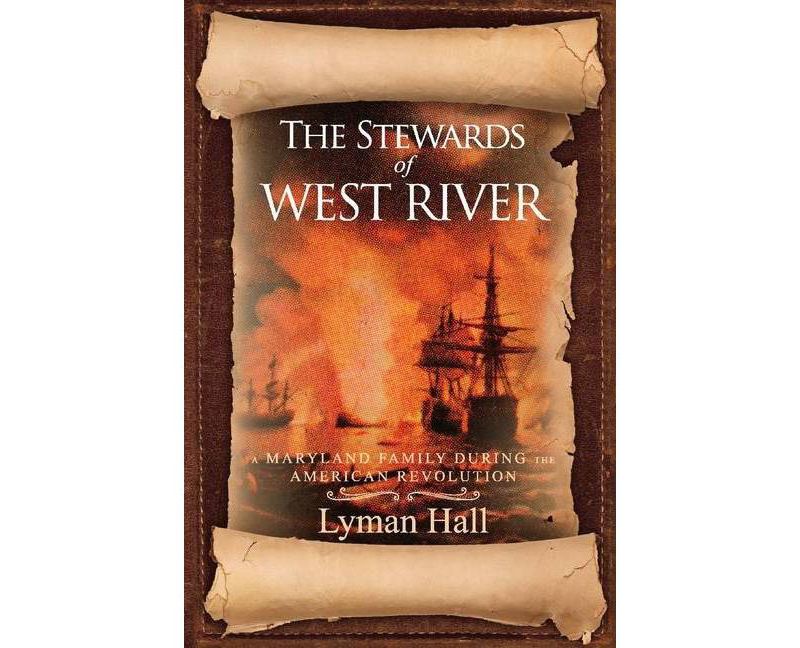
The Stewards of West River - by Lyman Hall (Paperback)
CTNR603597 09781098353285 CTNR603597Greenlight
2027-09-22
/itm/the-stewards-of-west-river-by-lyman-hall-paperback-603597
USD
23.22
$ 23 $ 24 4% Off
Item Added to Cart
customer
*Product availability is subject to suppliers inventory

SHIPPING ALL OVER UNITED STATES

100% MONEY BACK GUARANTEE

EASY 30 DAYSRETURNS & REFUNDS

24/7 CUSTOMER SUPPORT

TRUSTED AND SAFE WEBSITE

100% SECURE CHECKOUT
Number of Pages: 402
Genre: History
Sub-Genre: Modern
Format: Paperback
Publisher: Bookbaby
Age Range: Adult
Book theme: 18th Century
Author: Lyman Hall
Language: English
known as the Maryland Line from Long Island to South Carolina and to Yorktown, Virginia. The Cast of Characters in the stories are many and a center section is an illustration of the Revolution officers and elected politicians that the Steward served alongside.
The stories of John are many and the book cover many. He was a warrior and as he led his men into the teeth of death with savage, brutal fighting his battle cry was Ya can't live forever John was one of the three men to cover their troop for the retreat of the Maryland 400. They saved many lives. From Brooklyn Heights to kip's Bay where John was court marital for slugging Continental sergeant. John saw the sergeant in battle in what he considered an act of a coward. After the battle they met, and John slugged him. For this act he was court-martialed. The stories get more serious. At Staten Island John is capture. While in prison he manages to escape and ins up in the bombardment of Fort Mifflin. It is debatable as to how he survived. John received a silver medal at the battle of Stony Point. General George Washington awarded the medal Lt., Colonel John Steward. Today it would be equivalent to the Congressional Medal of Honor. This was one of eleven medals given out during the war. The stories continuous throughout the book including two more accounts on court-martial. John dies after the war ends and before the signing of the Treaty of Paris. Stephen Steward's grandson John S. Skinner was too young for the Revolutionary War. However, he was a major character in the War of 1812 There is the story of John Stuart Skinner and his midnight ride to ward President Madison the British General Ross was coming through the town of Bladensburg to burn the White House. This is the beginning of the story that led Francis Scott Key to the bombardment of Fort McHenry. Skinner held rank in the army, the Navy and several post in the Maryland Government. It was Skinner who assisted Francis Scott Key during the attack on Baltimore and delivered the text of the Star-Spangled Banner to be published.
Genre: History
Sub-Genre: Modern
Format: Paperback
Publisher: Bookbaby
Age Range: Adult
Book theme: 18th Century
Author: Lyman Hall
Language: English
About the Book
The Stewards of West River is the story of a Norman's Retreat, a Maryland shipyard that served as the base for America's Navy during the revolutionary war. The story starts with John Steward. He was the first shipwright of the Steward family. When he died, his son Stephen Steward found his own site on the West River and built his own shipyard that operated from 1752 to 1792. Stephen designed and built warships for the Maryland Navy and Congress. The story of his shipyard is associated with the many services he provided for the Maryland Council of Safety. Norman's Retreat Shipyard is still around today, and the story of the Steward family is a classic American tale of perseverance in the face of ultimate odds.Book Synopsis
Steward's son, John Steward joined the army as a lieutenant and fought with the elite regimentknown as the Maryland Line from Long Island to South Carolina and to Yorktown, Virginia. The Cast of Characters in the stories are many and a center section is an illustration of the Revolution officers and elected politicians that the Steward served alongside.
The stories of John are many and the book cover many. He was a warrior and as he led his men into the teeth of death with savage, brutal fighting his battle cry was Ya can't live forever John was one of the three men to cover their troop for the retreat of the Maryland 400. They saved many lives. From Brooklyn Heights to kip's Bay where John was court marital for slugging Continental sergeant. John saw the sergeant in battle in what he considered an act of a coward. After the battle they met, and John slugged him. For this act he was court-martialed. The stories get more serious. At Staten Island John is capture. While in prison he manages to escape and ins up in the bombardment of Fort Mifflin. It is debatable as to how he survived. John received a silver medal at the battle of Stony Point. General George Washington awarded the medal Lt., Colonel John Steward. Today it would be equivalent to the Congressional Medal of Honor. This was one of eleven medals given out during the war. The stories continuous throughout the book including two more accounts on court-martial. John dies after the war ends and before the signing of the Treaty of Paris. Stephen Steward's grandson John S. Skinner was too young for the Revolutionary War. However, he was a major character in the War of 1812 There is the story of John Stuart Skinner and his midnight ride to ward President Madison the British General Ross was coming through the town of Bladensburg to burn the White House. This is the beginning of the story that led Francis Scott Key to the bombardment of Fort McHenry. Skinner held rank in the army, the Navy and several post in the Maryland Government. It was Skinner who assisted Francis Scott Key during the attack on Baltimore and delivered the text of the Star-Spangled Banner to be published.
About the Author
I was raised on a dairy farm operated by my father, me, and an adopted boy my age. The day started at 05:00 am every morning, and during the summer, we were lucky if it ended at midnight. This problem was resolved by two of us working and one sleeping, which did not always work out. During the Korean War, I enlisted in the Airforce and served four years active and four inactive as a S/Sgt on a RB36 in the Strategic Air Command [SAC] during the cold war. The commander of SAC was General LeMay, and we were at war with Russia. It was the atomic age, and our goal was Mutual Assured Destruction [MAD] with Russia. From my SAC career, I joined a major airline and retired thirty-six years later. As a sideline, I started a flight school and majored in primary flight training. In 1985, I bought a historical site on the West River in Maryland called Norman's Retreat. It was historically recorded as a 19th-century farm. It wasn't long before I learned-- through fortunate events-- the site had extensive archival remains for an 18th-century shipyard. The shipyard was owned and operated by shipwright Stephen Steward as the naval base for Maryland's navy during the American Revolutionary War. March 31, 1781, the British attacked and burned the shipyard. This excited my love of history, and soon led to extensive research: people, places, traveling the Revolutionary War battles, and researching historical persons associated with the Steward shipyard. This research led to the shipwright's son, who fought under Generals Washington and Green from Brooklyn Heights to Yorktown. It was the grandson of the shipwright who accompanied Francis Scott Key through the rescue of Doctor Beames and the bombing of Fort McHenry. After many years of research, I was encouraged by many to put it in print as a viable documentary of Maryland history. Thus, I began the journey of writing this book.