Trusted shipping
Easy returns
Secure shopping



Buy SE420ZE Digital Professional Binocular Stereo Microscope WF10x and WF20x Eyepieces 20X and 40X Magnification 2X Objective Tungsten Lighting BoomArm Stand 110V120V Includes 03MP Camera and Software in United States - Cartnear.com
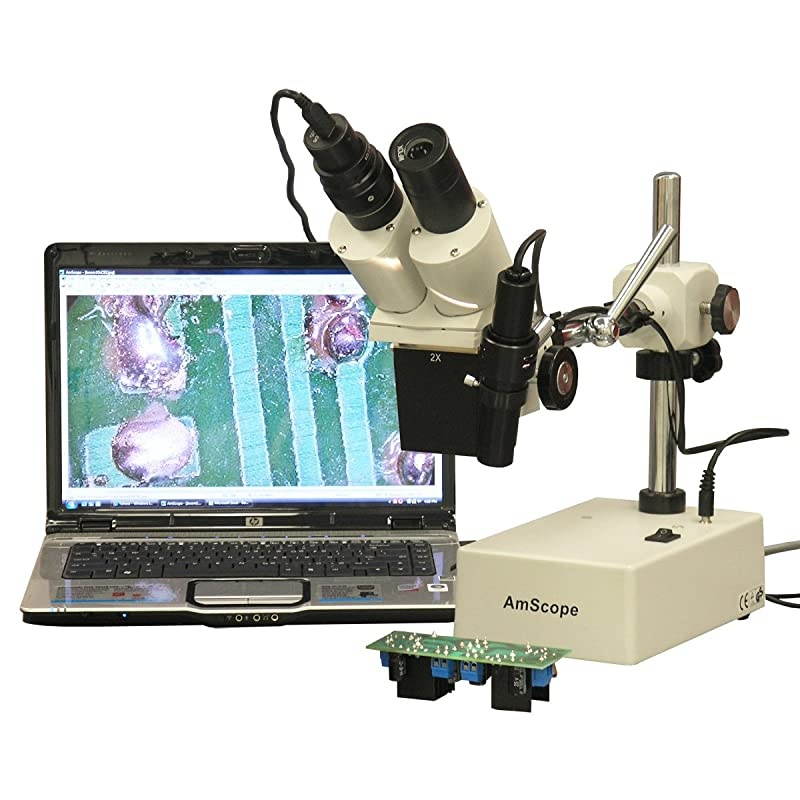
SE420ZE Digital Professional Binocular Stereo Microscope WF10x and WF20x Eyepieces 20X and 40X Magnification 2X Objective Tungsten Lighting BoomArm Stand 110V120V Includes 03MP Camera and Software
CTNR1692537 CTNR1692537Karen Low
2027-01-04
/itm/se420ze-digital-professional-binocular-stereo-microscope-wf10x-and-wf20x-eyepieces-20x-and-40x-magnification-2x-objective-tungsten-lighting-boomarm-stand-110v120v-includes-03mp-camera-and-software-1692537
USD
376.86
$ 376.86 $ 388.52 3% Off
Item Added to Cart
customer
*Product availability is subject to suppliers inventory

SHIPPING ALL OVER UNITED STATES

100% MONEY BACK GUARANTEE

EASY 30 DAYSRETURNS & REFUNDS

24/7 CUSTOMER SUPPORT

TRUSTED AND SAFE WEBSITE

100% SECURE CHECKOUT
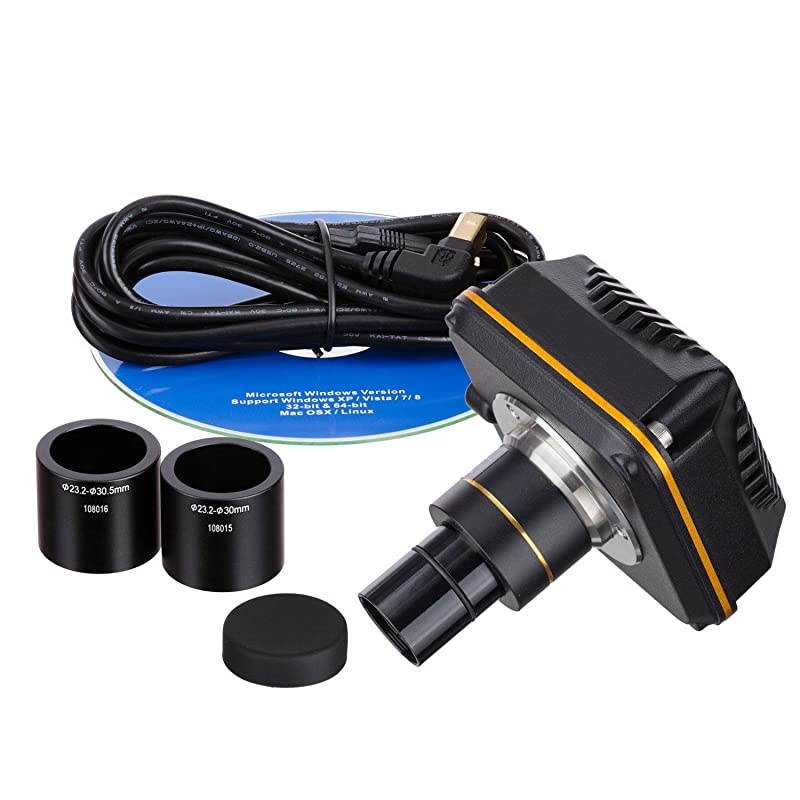
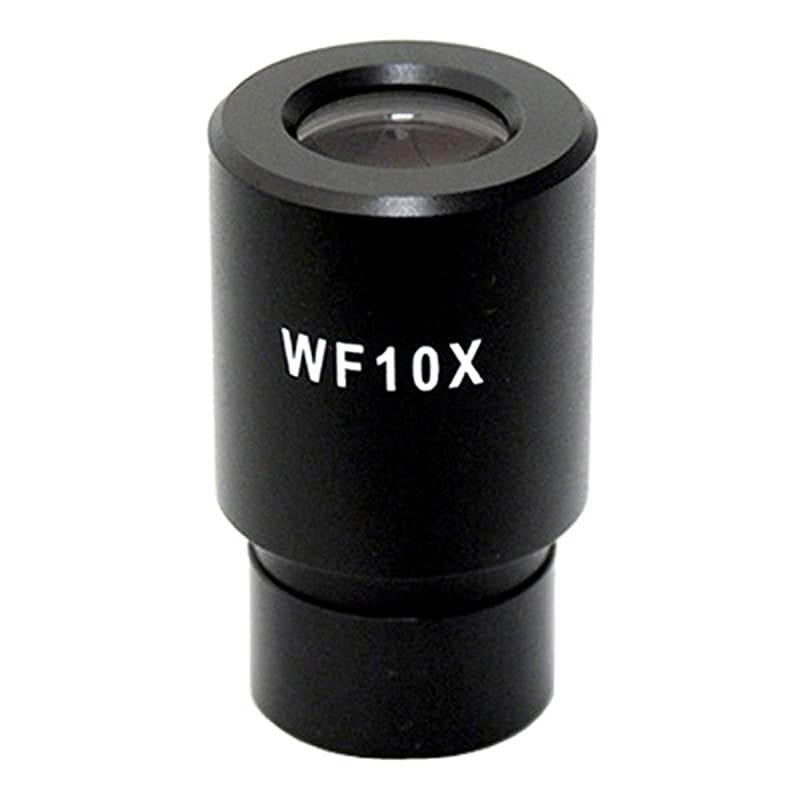
The SE420Z-E digital professional stereo microscope has interchangeable pairs of 10x and 20x widefield eyepieces, a 2x objective, tungsten lighting, and a boom-arm stand. The 0.3MP camera has a CMOS color sensor, image capture and editing software, and USB 2.0 output to capture or display still or video images on a computer or projector. The binocular viewing head has an interpupillary range of 50 to 77mm and a 45-degree inclination to reduce eye and neck strain. The interchangeable pairs of WF10x18mm and WF20x10mm eyepieces combine with the 2x objective to provide 20x and 40x magnification, and a longer working distance for inspecting large-scale specimens that require handling or repair.
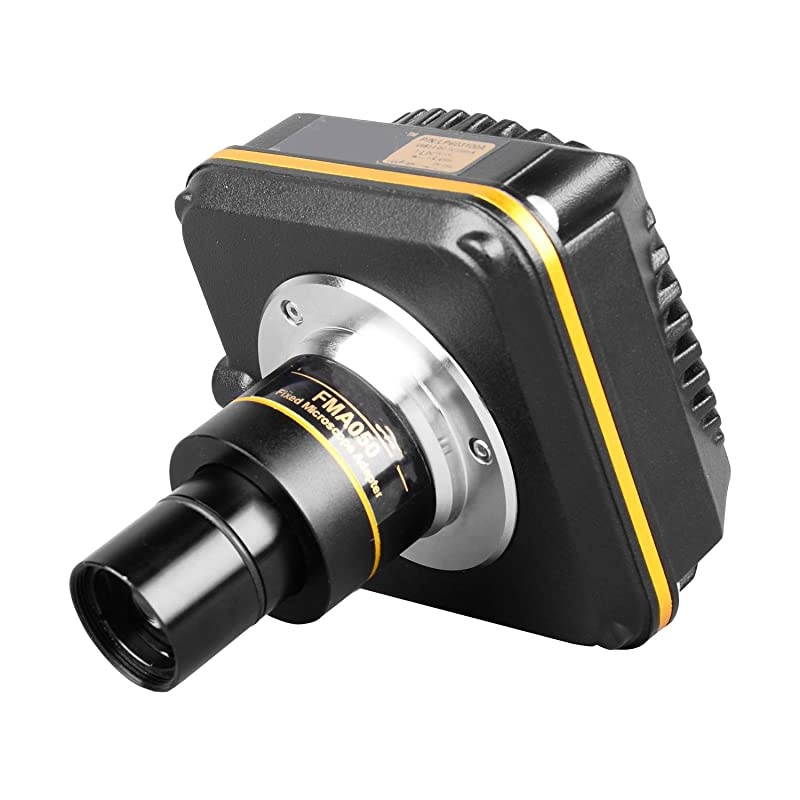
Dioptric adjustment accommodates individual eye-strength differences. A digital stereo microscope, sometimes called an inspection or dissection microscope, has low magnification and a long working distance that enables users to manipulate the object being inspected, and is used where image capture, detailed records, or documentation is required. The 0.3MP digital camera has a CMOS color sensor for displaying still microscopy images and streaming live videos to a computer or projector, and 40x magnification. The camera can be mounted in any 23mm eye tube. The camera includes image capture and editing software that provides still image and live video capture and editing capability, including measurement functions.
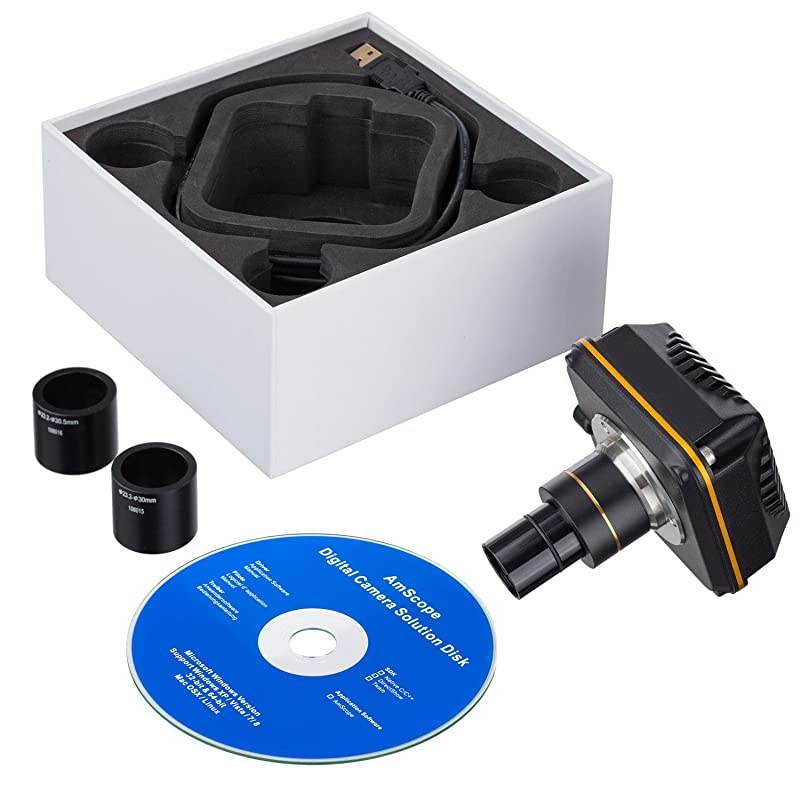
The software supports JPG, TIF, GIF, PSD, WMF, and BMP file formats and is compatible with Windows XP/Vista/7/8/10. Camera drivers are compatible with Windows XP, /Vista/7/8/10. The software includes Windows APIs for native C/C++, C#, DirectShow, Twain, and LabVIEW that enable custom application development. The camera has a USB 2.0 data port (cable included). The 10W tungsten light provides bright light, and is side-mounted on the microscope head to adjust simultaneously when the head is moved. The microscope has a 13.5" pillar that provides a 6" vertical working distance.
Bilateral focus eases use for left- and right-handed users. The 17" boom arm has a 12" working distance. The microscope head can be rotated on the X- and Y-axes. All metal construction is durable and stain-resistant. Microscope SpecificationsHeadBinocularMagnification20x, 40xObjective power1xEyepieces (DIN, 30.5 mm)WF10x18mm, WF20x10mmFocusBilateral coarseMicroscope standBoom-arm standVertical working distance6" ( 13.5" overall pillar length)Boom arm12" working distance (17" overall length)Head rotationX- and Y-axesIllumination typeUpper, reflectedLight source10W tungsten, side-mountedPower110V-120V, UL listedCamera SpecificationsResolution 0.3MP (640 x 480 effective pixels) Image typeStill image and video display and captureCamera typeBrightfieldCamera sensorCMOS (color) Magnification40xReduction lensNoneMounting size23mmComputer connectionUSB 2.0F ile formatsJPG, TIF, GIF, PSD, WMF, BMPSoftware packageImage capture and editing for Windows XP, Vista, 7, and 8; Mac OS X; and LinuxCamera driver compatibilityWindows XP, Vista, 7, and 8; Mac OS X; and LinuxMicroscopes are instruments used to enhance the resolution of an object or image.
Types include compound, stereo, or digital. Compound microscopes use a compound optical system with an objective lens and an eyepiece. Stereo microscopes show object depth in a three-dimensional image. Digital microscopes are used to display an image on a monitor, rather than looking through a lens. Microscopes can have monocular (one), binocular (two), or trinocular (three) eyepieces, with varying magnification abilities. Magnification ability refers to the size of an image. Resolution, also known as resolvant power, refers to the clarity of the image. The interaction between field of view (FOV), numerical aperture (NA), and working distance (WD) determines resolution.
Microscopes can control magnification through a fixed focus, or through a range of adjustments. They can also utilize LED, fluorescent, and mirror light sources to help con
Dioptric adjustment accommodates individual eye-strength differences. A digital stereo microscope, sometimes called an inspection or dissection microscope, has low magnification and a long working distance that enables users to manipulate the object being inspected, and is used where image capture, detailed records, or documentation is required. The 0.3MP digital camera has a CMOS color sensor for displaying still microscopy images and streaming live videos to a computer or projector, and 40x magnification. The camera can be mounted in any 23mm eye tube. The camera includes image capture and editing software that provides still image and live video capture and editing capability, including measurement functions.
The software supports JPG, TIF, GIF, PSD, WMF, and BMP file formats and is compatible with Windows XP/Vista/7/8/10. Camera drivers are compatible with Windows XP, /Vista/7/8/10. The software includes Windows APIs for native C/C++, C#, DirectShow, Twain, and LabVIEW that enable custom application development. The camera has a USB 2.0 data port (cable included). The 10W tungsten light provides bright light, and is side-mounted on the microscope head to adjust simultaneously when the head is moved. The microscope has a 13.5" pillar that provides a 6" vertical working distance.
Bilateral focus eases use for left- and right-handed users. The 17" boom arm has a 12" working distance. The microscope head can be rotated on the X- and Y-axes. All metal construction is durable and stain-resistant. Microscope SpecificationsHeadBinocularMagnification20x, 40xObjective power1xEyepieces (DIN, 30.5 mm)WF10x18mm, WF20x10mmFocusBilateral coarseMicroscope standBoom-arm standVertical working distance6" ( 13.5" overall pillar length)Boom arm12" working distance (17" overall length)Head rotationX- and Y-axesIllumination typeUpper, reflectedLight source10W tungsten, side-mountedPower110V-120V, UL listedCamera SpecificationsResolution 0.3MP (640 x 480 effective pixels) Image typeStill image and video display and captureCamera typeBrightfieldCamera sensorCMOS (color) Magnification40xReduction lensNoneMounting size23mmComputer connectionUSB 2.0F ile formatsJPG, TIF, GIF, PSD, WMF, BMPSoftware packageImage capture and editing for Windows XP, Vista, 7, and 8; Mac OS X; and LinuxCamera driver compatibilityWindows XP, Vista, 7, and 8; Mac OS X; and LinuxMicroscopes are instruments used to enhance the resolution of an object or image.
Types include compound, stereo, or digital. Compound microscopes use a compound optical system with an objective lens and an eyepiece. Stereo microscopes show object depth in a three-dimensional image. Digital microscopes are used to display an image on a monitor, rather than looking through a lens. Microscopes can have monocular (one), binocular (two), or trinocular (three) eyepieces, with varying magnification abilities. Magnification ability refers to the size of an image. Resolution, also known as resolvant power, refers to the clarity of the image. The interaction between field of view (FOV), numerical aperture (NA), and working distance (WD) determines resolution.
Microscopes can control magnification through a fixed focus, or through a range of adjustments. They can also utilize LED, fluorescent, and mirror light sources to help con